
Expert Picks For Concrete Paver Installation Equipment And Accessories
Find out which tools and accessories professionals rely on for smooth, accurate, and durable concrete paver installations.
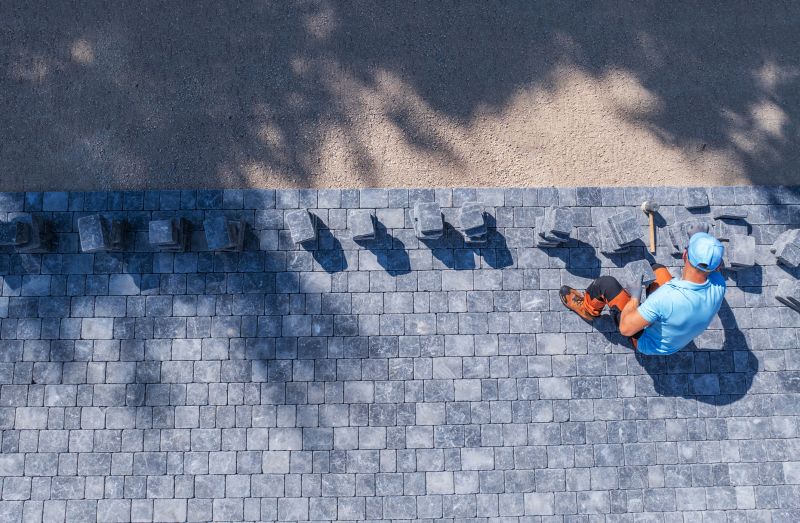 Installing concrete pavers requires a combination of carefully selected products to ensure a durable and visually appealing surface. The process begins with proper site preparation, including the use of quality base materials that provide stability and support for the pavers. Selecting the right bedding sand is crucial for achieving a smooth, level surface that allows for proper interlock and drainage. Edge restraints are also essential to maintain the integrity of the installation, preventing shifting and spreading over time.
Top Overall Option
High-Quality Base Material Mix
A reliable base material mix is fundamental for a successful concrete paver installation. It provides the necessary stability, drainage, and support for the pavers, helping to prevent shifting or settling over time. This product typically includes a blend of crushed stone, gravel, and sand, designed to compact well and create a solid foundation. Proper preparation using a high-grade base material can significantly influence the longevity and appearance of the paved surface.
Types of Products For Concrete Pavers Installations
Crushed Stone Base
Provides foundational support and drainage for paver installations, available in various sizes for different project needs.
Polymeric Sand
A joint filler that hardens to lock pavers in place, helping to prevent weed growth and shifting.
Paver Edging Restraints
Keeps pavers in position and maintains the shape of the installation, essential for long-term stability.
Leveling Sand
Smooths the surface beneath pavers, ensuring an even and level installation.
Compaction Equipment
Vibratory plates or rollers used to compact the base and pavers, enhancing stability.
Paver Sealant
Protects the surface from stains and weathering, maintaining appearance over time.
Bedding Sand
Provides a smooth, level surface for laying pavers, facilitating proper interlock.
Edge Restraint Blocks
Help contain pavers and prevent movement at the edges of the installation.
Joint Sand Stabilizer
Enhances the stability of joint fillers, reducing erosion and weed growth.
Paver Lifting Tools
Assist in lifting and repositioning pavers during installation or repairs.
Drainage Mats
Improve water flow beneath the pavers, reducing pooling and shifting.
Concrete Paver Mortar
Used for fixing pavers in place or repairing damaged sections.
Paver Cutting Tools
Tools such as saws or nippers for customizing paver shapes and sizes.
Surface Cleaners
Equipment or products for cleaning paver surfaces before and after installation.
Color Enhancers
Products that enhance the color and appearance of pavers post-installation.
Popular Choices
Widely used for filling joints between pavers, helping to lock them in place and reduce weed growth.
Commonly selected to define borders and maintain the shape of paver areas.
A popular choice for creating a stable foundation, facilitating drainage and support.
Tools and kits designed to ensure evenness during installation for a professional finish.
A frequently used product to protect paver surfaces from stains and weather effects.
Popular for enhancing water runoff and preventing pooling beneath pavers.
Essential for customizing paver sizes and shapes during installation.
Helps maintain joint integrity and reduce erosion over time.
Easy-to-install options for securing paver edges and maintaining layout.
Tools frequently used to lift and reposition pavers during layout adjustments.
Popular for cleaning and maintaining paver surfaces after installation.
Enhance the visual appeal of pavers with these popular finishing products.
A common choice for creating a smooth bed for paver installation.
Widely used for compacting base layers and pavers for stability.
Popular for maintaining joint integrity and reducing weed intrusion.
Tools and accessories play a significant role in the installation process. From rubber mallets that help tap pavers into place to level strings and measuring tools that ensure consistent spacing, having the right equipment makes the project smoother and more precise. For large-scale installations, professional-grade compaction equipment can help settle the base and pavers, ensuring a long-lasting result. Additionally, sealants can be applied after installation to enhance appearance and provide some protection against stains and weathering.
Choosing products that match the specific needs of your project is important. For example, certain base materials are better suited for high-traffic areas, while others may be ideal for decorative pathways. The variety of joint fillers, such as polymeric sands, can influence the stability and appearance of the finished surface. Proper selection and application of each product type contribute to a successful installation that meets both aesthetic and functional expectations.
Key Buying Considerations
- Compatibility with your specific paver type and size
- Durability and weather resistance of the materials
- Ease of installation and whether tools or professional assistance are needed
- Drainage properties to prevent water pooling
- Compatibility with existing landscape features
- Availability of matching accessories like edge restraints and sealants
- Cost-effectiveness over the long term
- Ease of maintenance and cleaning
- Environmental conditions of the installation site
- Recommendations for base and bedding materials for optimal support
- Product reviews and user feedback for reliability
- Application instructions and drying or curing times
- Color options and aesthetic compatibility with surroundings
- Flexibility for future repairs or modifications
- Safety features and handling instructions for installation tools