Optimal Seasons for Concrete Pavers
Concrete pavers installations are most effectively completed during specific times of the year to ensure optimal results. The ideal period typically depends on climate conditions, with moderate temperatures and low moisture levels being preferable. Understanding seasonal variations can help in planning for durability and longevity of the paved surface.
Spring offers moderate temperatures and less rainfall, making it suitable for installing concrete pavers. Proper drainage and dry conditions are essential for setting and curing.
While summer provides warm weather, high temperatures and intense sunlight can cause rapid drying, leading to potential cracking. Adequate shading and watering can mitigate these issues.
Fall is often ideal due to cooler temperatures and lower humidity, which aid in proper curing. Avoiding late fall installations prevents issues related to early winter cold.
Winter is generally unsuitable for installation due to freezing temperatures and snow, which hinder proper setting and increase the risk of damage.
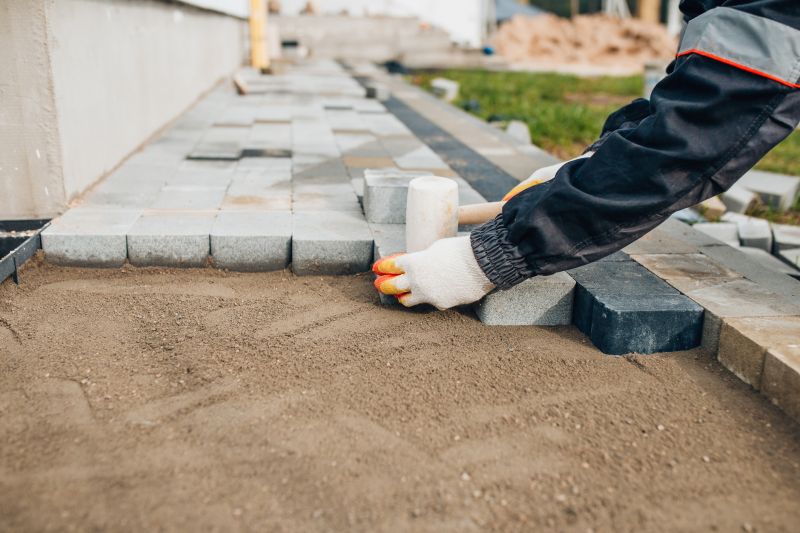
Springtime installation with mild weather supports optimal curing conditions.
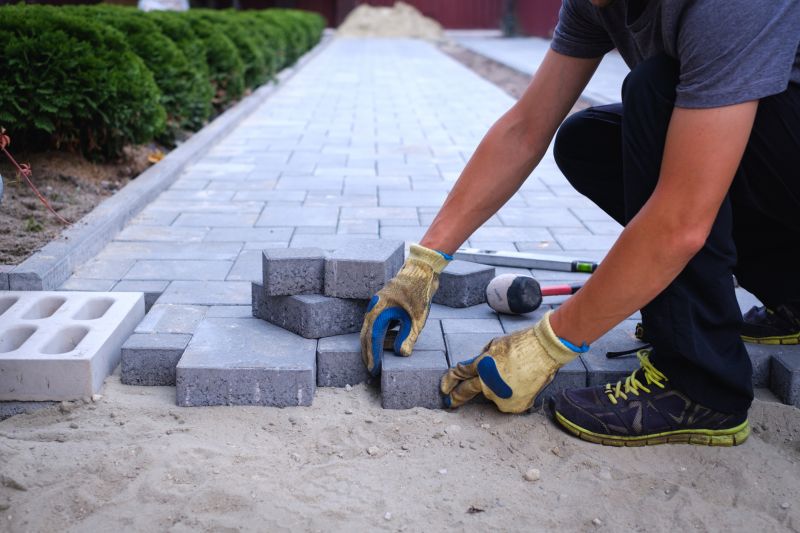
Summer requires precautions like shading to prevent cracking during installation.
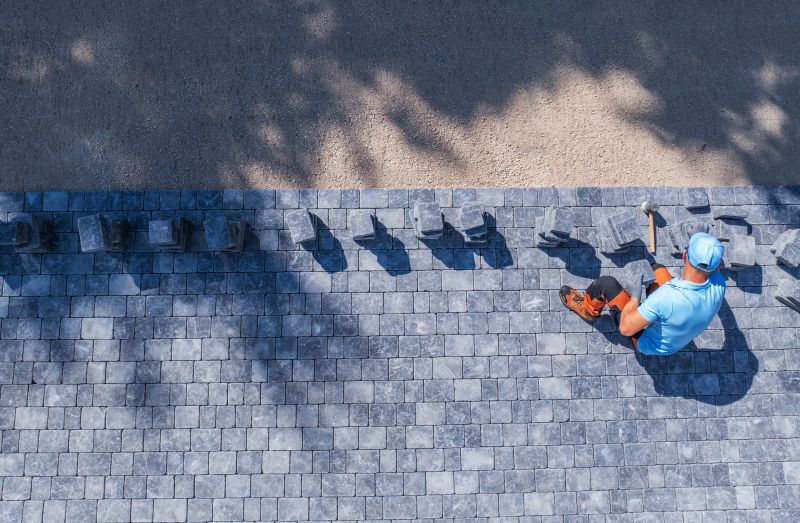
Fall provides cooler weather ideal for durable paving projects.
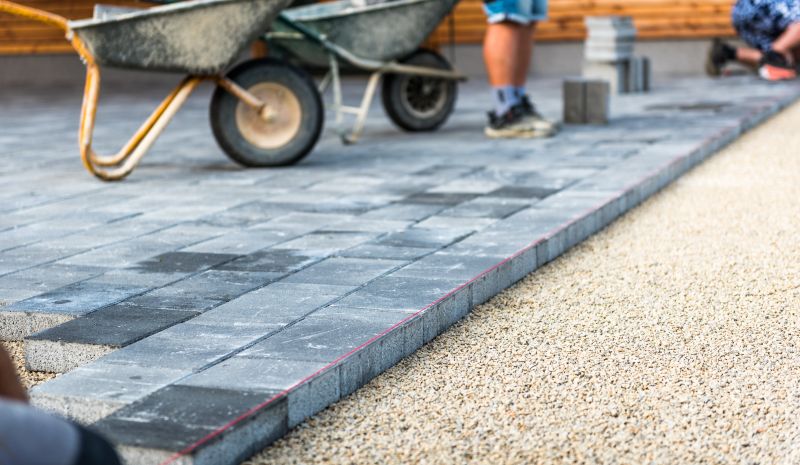
Ways to make Concrete Pavers Installations work in tight or awkward layouts.
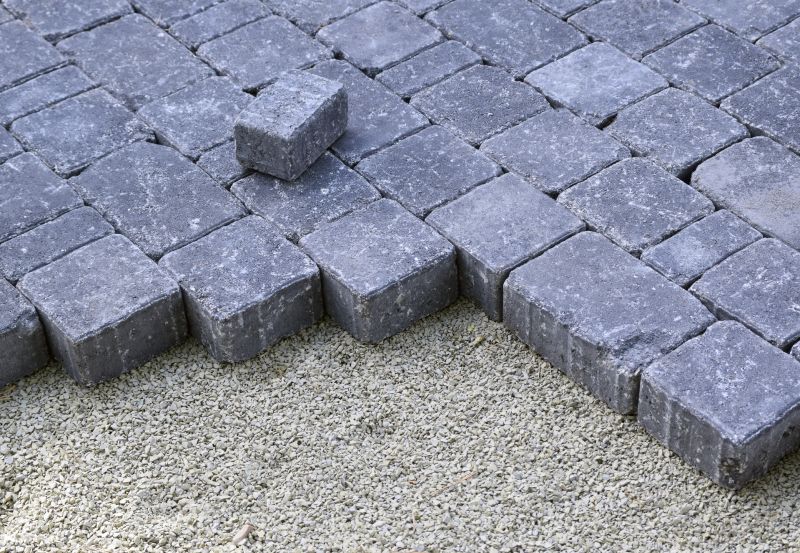
Popular materials for Concrete Pavers Installations and why they hold up over time.
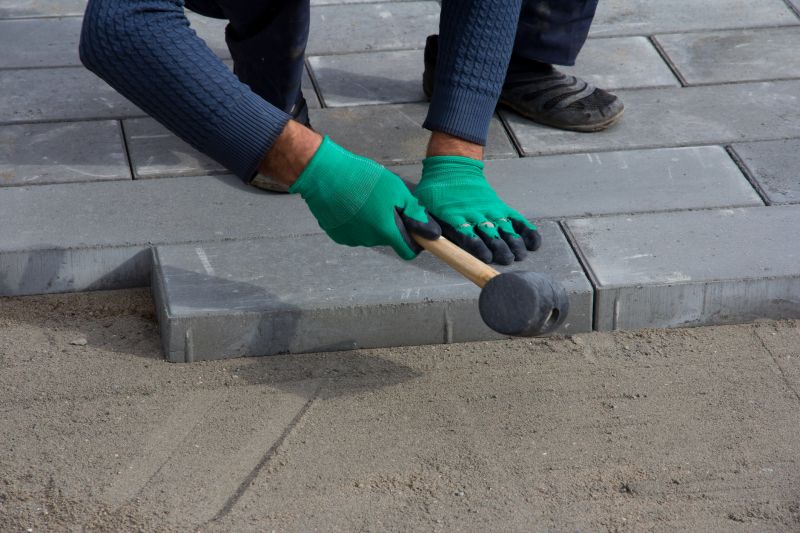
Simple add-ons that improve Concrete Pavers Installations without blowing the budget.
| Season | Suitability |
|---|---|
| Spring | Highly suitable with moderate temperatures and low rainfall. |
| Summer | Possible with precautions for high temperatures. |
| Fall | Ideal due to cooler weather and lower humidity. |
| Winter | Not recommended due to freezing conditions. |
Concrete pavers installations require careful consideration of weather conditions to ensure proper setting and durability. Proper planning during the appropriate season can reduce the risk of issues such as cracking, shifting, or poor adhesion. Seasonal factors like temperature fluctuations, humidity, and precipitation significantly influence the success of paving projects.
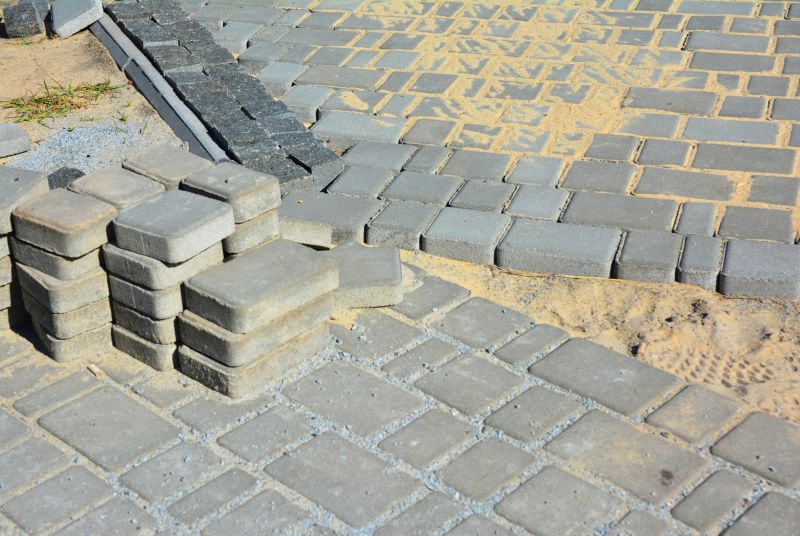
Springtime paving benefits from moderate weather conditions.
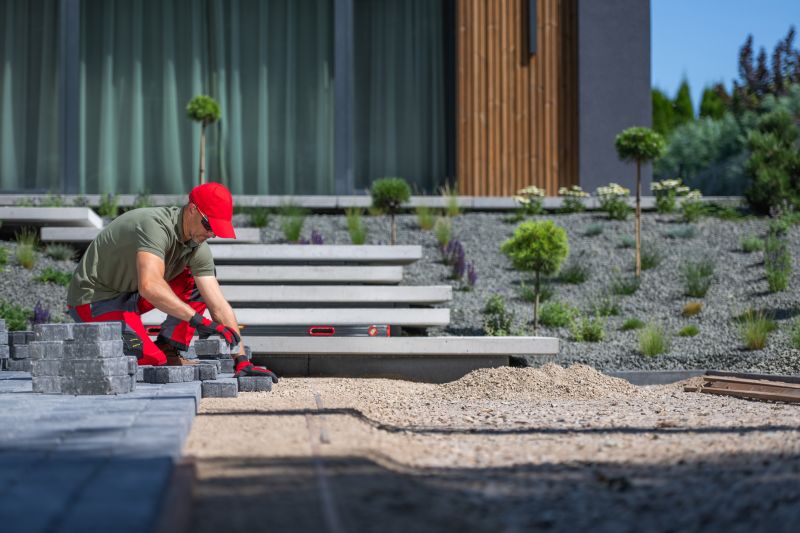
Summer paving requires measures against heat stress.
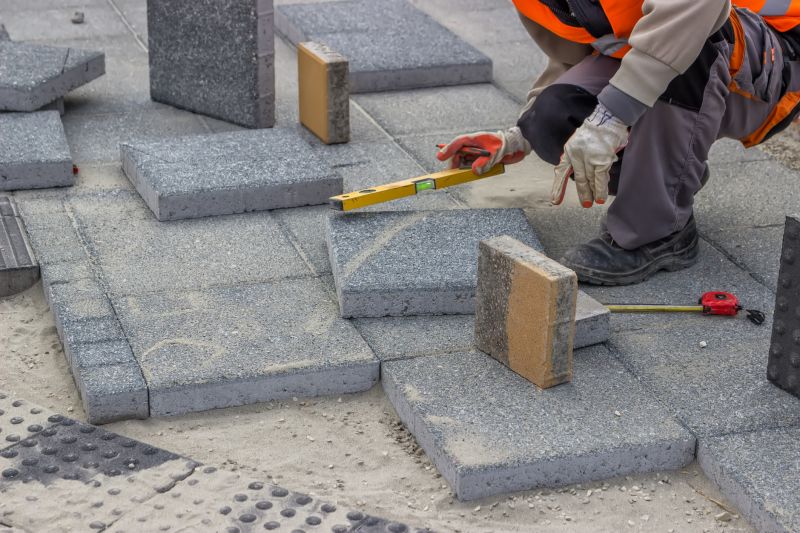
Fall offers ideal conditions for durable installations.
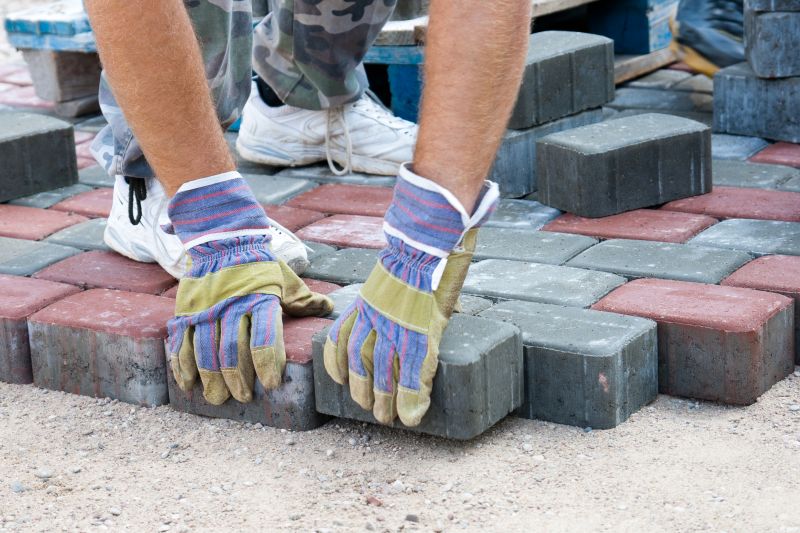
Winter is generally unsuitable for paving projects.
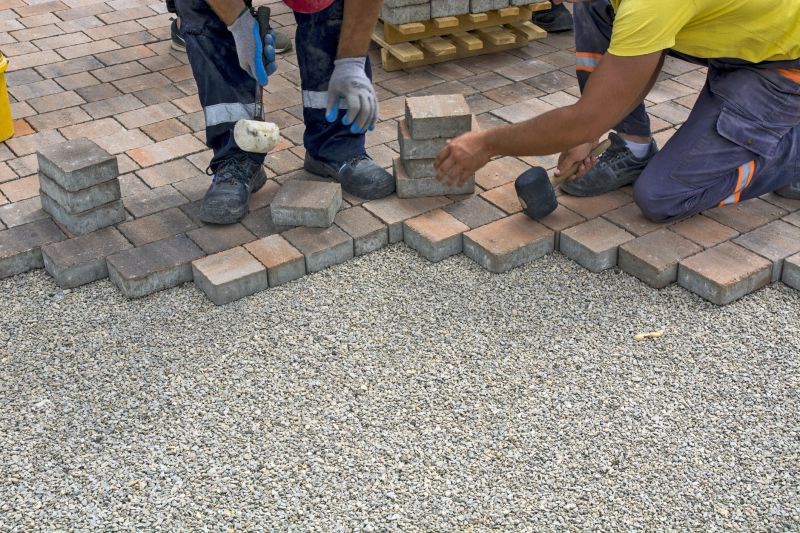
High-end options that actually feel worth it for Concrete Pavers Installations.
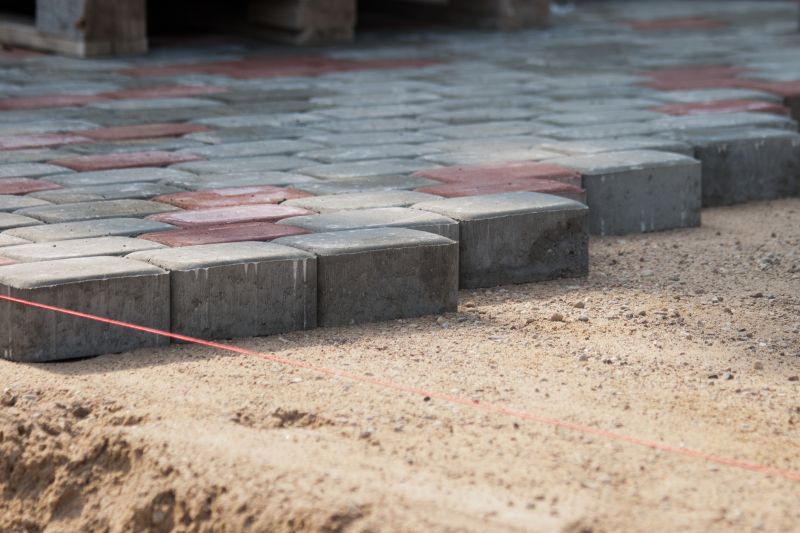
Finishes and colors that play nicely with Concrete Pavers Installations.
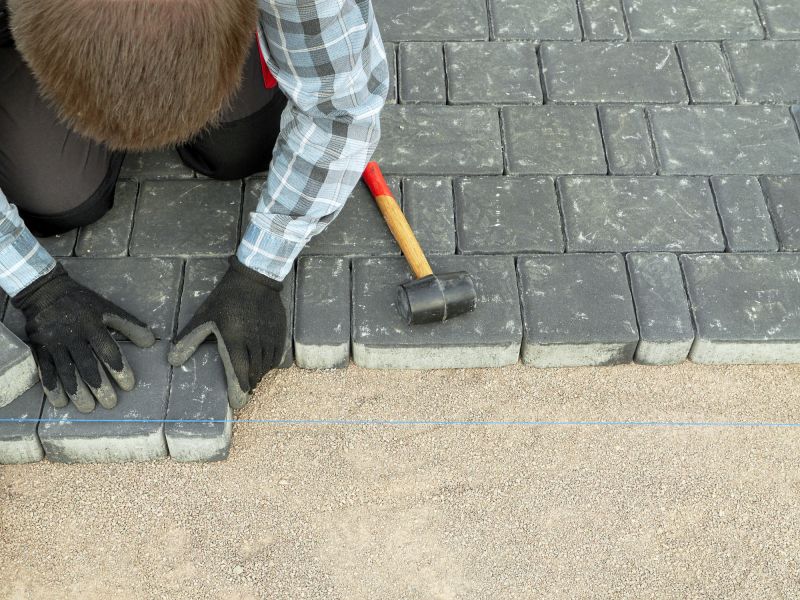
Little measurements that prevent headaches on Concrete Pavers Installations day.
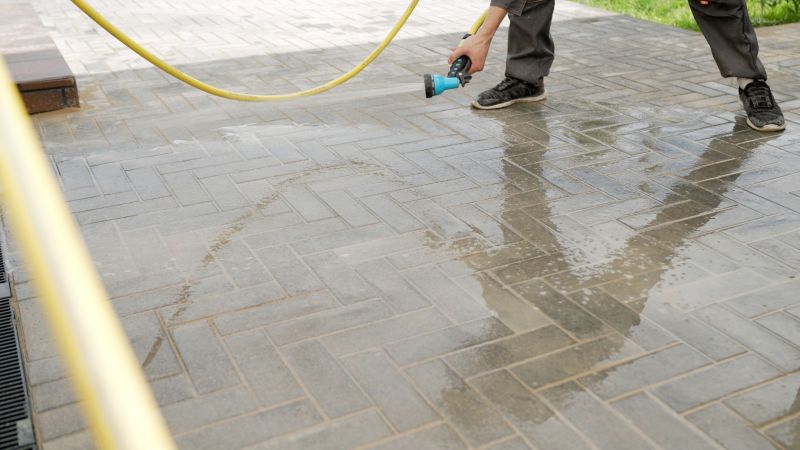
A 60-second routine that keeps Concrete Pavers Installations looking new.
Planning the timing of concrete pavers installations can impact the longevity and appearance of the finished surface. It is essential to consider local climate patterns and seasonal weather forecasts to select the most appropriate period for installation. Properly timed projects can lead to better curing, reduced maintenance, and longer-lasting results.
Interested in scheduling a concrete pavers installation? Fill out the contact form to get more information.